
Patrol Tactics
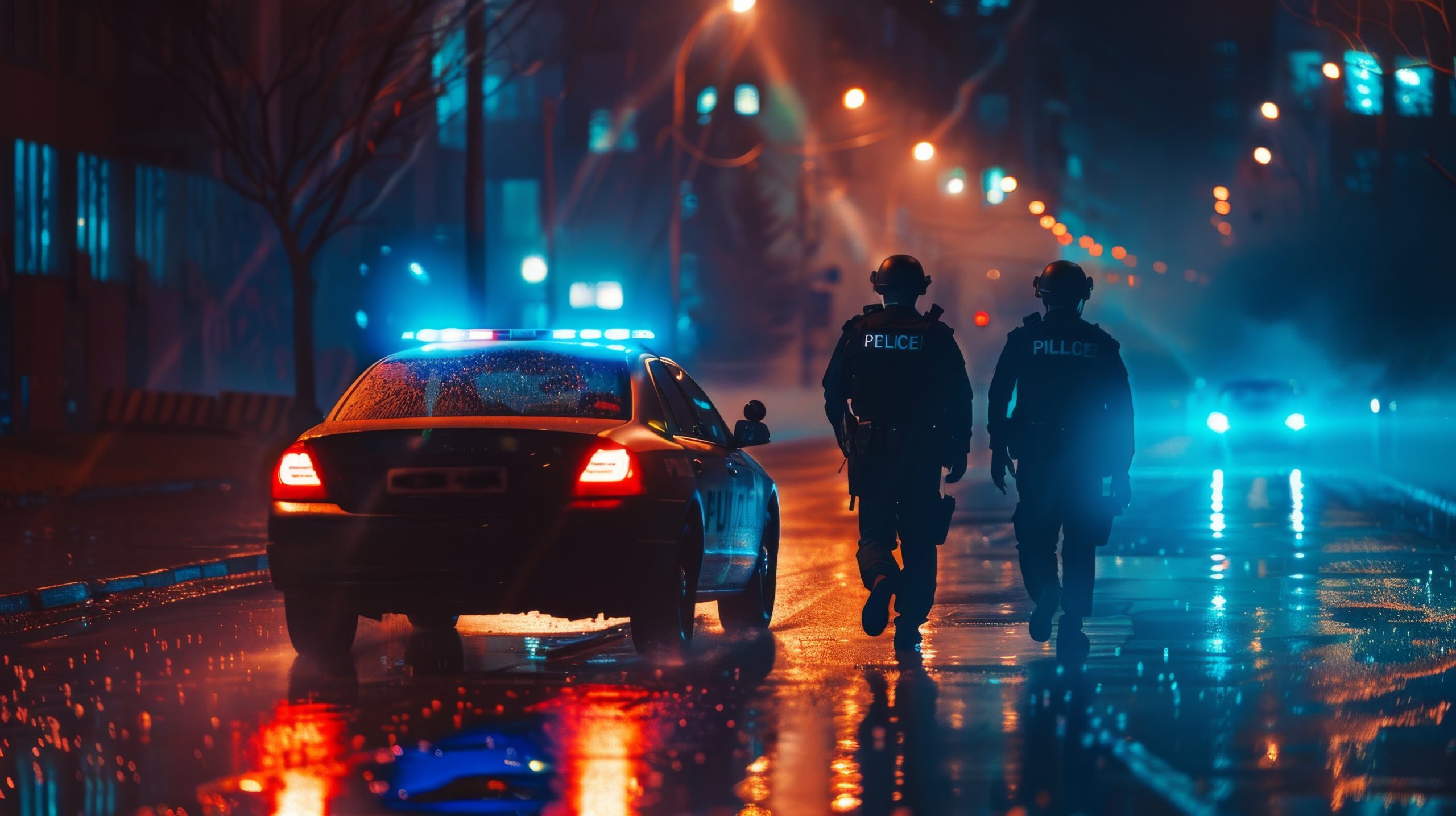
As the landscape of policing evolves, it’s critical that training evolves alongside it, ensuring patrol officers are prepared for the challenges they face in the field. Prioritizing foundational skills and adaptable strategies can make a significant difference, helping officers go home safely at the end of their shifts.
Patrol officers are often the first on the scene during critical incidents. Effective training equips them to assess situations quickly and respond appropriately, which can prevent escalation and save lives. Training curriculum often prioritizes specialized units over basic patrol tactics which can leave officers ill-prepared. This can lead to poor decision-making during high-pressure situations, resulting in outcomes that could have been avoided with better training and preparation.
The nature of patrol work is unpredictable. Officers must adapt to rapidly changing scenarios, from routine traffic stops to high-stakes emergencies. Improving basic patrol tactics is essential. Training programs should focus not just on tactical skills, but also on decision-making, situational awareness, and adaptability. Scenarios that mimic real-life situations can help officers develop the skills needed to navigate the complexities they encounter daily.
Proper training enhances officer safety. Understanding tactical concepts, communication techniques, and de-escalation strategies can help officers protect themselves and the public in high-risk situations. Officers frequently make split-second decisions under pressure. Training fosters critical thinking and helps them evaluate options effectively, leading to better outcomes.
Well-trained officers can handle situations with professionalism and restraint, which is vital for maintaining community trust and reducing tension. Training empowers officers to use available resources wisely, including backup, tools, and technology. Understanding tactics can lead to more efficient use of resources during incidents. Exposure to realistic training scenarios helps officers mentally prepare for the challenges they may face. This psychological readiness can improve their confidence and performance under pressure.
Patrol tactic training is vital for enhancing officer effectiveness, safety, and community interactions, ultimately leading to better policing outcomes. Investing in this training is an investment in the safety of both officers and the communities they serve.